
FAQ
Frequently Asked Questions
Why should I filter my water?
Filtering your water helps remove impurities, improve taste, and protect your health. Even treated mains water can contain chlorine, sediment, and other contaminants. Filtration ensures you have clean, fresh-tasting water for drinking, cooking, and everyday use.
What contaminants can I remove from my drinking water?
Depending on the filter you choose, you can remove sediment, chlorine, lead, pesticides, heavy metals, nitrates, bacteria, and unpleasant tastes or odours. We can recommend the right system based on your water source and test results.
Can I remove chlorine from my home water supply?
Yes. Special carbon filters are designed to remove chlorine and its by-products, improving both taste and smell. This is especially beneficial if chlorine causes skin or hair irritation.
What is hard water?
Hard water contains high levels of dissolved minerals, mainly calcium and magnesium. It can cause scale build-up in appliances, reduce cleaning efficiency, and leave spots on glassware. Learn more about hard water and softeners here.
Can water filtration stop horrible staining in my sinks?
Yes—if staining is caused by iron, manganese, or other minerals, the right filtration or softening system can prevent it. A water test will help identify the cause so we can recommend the right solution.
How can I test my water for contaminants?
We can provide you with a water testing test kit for you to send water samples to the lab. Results will show what’s in your water so we can match you with the right filtration system.
Do I need a UV Lamp on my water system?
If your water comes from a tank, bore, or other untreated source, a UV lamp is the safest way to kill bacteria, viruses, and other microorganisms—without adding chemicals.
What is Reverse Osmosis?
Reverse Osmosis (RO) is an advanced filtration process that pushes water through a semi-permeable membrane, removing up to 99% of lead, 87% Nitrates, contaminants, and impurities. It delivers pure, great-tasting water right from your tap. Read more about RO systems here.
How do I know if my Reverse Osmosis membrane needs replacing?
You may notice a drop in water quality or flow rate. Clack RO has a monitor that will notify you when the membrane needs replacing. Most membranes need replacing every 1 – 3 years depending on water quality, usage and maintenance practises.
How often do I need to replace my filters?
Most filters need replacing every 6–12 months, depending on water quality and usage. Your system’s manual and our maintenance reminders will help you keep on schedule.
Why do I need to replace my filters regularly?
Old filters can become clogged, reducing water flow and filtration efficiency. In some cases, they may even release captured contaminants back into your water.
How do I know if my filters need changing?
Common signs include a noticeable change in taste, smell, or water flow. Following your recommended replacement schedule is the best way to ensure your water stays safe and fresh.
How do I change the Filters for Imperial Aqua K?
We provide step-by-step instructions and can guide you through the process. If you prefer, we can give you contacts for local plumbers who work with our systems so you can arrange a time for them to visit.
How do I change the filters for Aquarius Reverse Osmosis?
Your Aquarius RO system manual contains full instructions. We can also give you contacts for local plumbers familiar with our systems so you can arrange a visit if you’d rather have it done professionally.
How do I change my filters for Clack Reverse Osmosis?
Changing filters is straightforward with the instructions in your Clack RO manual. If you’d prefer not to do it yourself, we can give you contacts for local plumbers who regularly work with our systems so you can book a convenient time.
What salt do you recommend for my Canature Water Softener?
We recommend high-quality pool salt to ensure the best performance and prevent bridging in the brine tank.
Salt not dissolving in my Canature Water Softener, Why? What can I do?
This is often caused by “salt bridging,” where a hard crust forms above the water in the brine tank. Breaking up the bridge and cleaning the tank usually solves the problem. Sometimes cheaper salts may contain organic debris and they can cause a blockage. If in doubt we can supply you contact for a reputable plumber in your area.
Do I need to clean my water tank?
Yes—tanks can collect sediment, algae, and bacteria over time. We recommend cleaning at least once a year to maintain water quality.
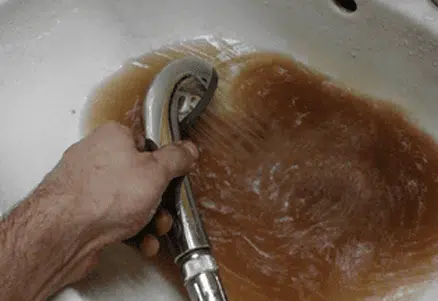
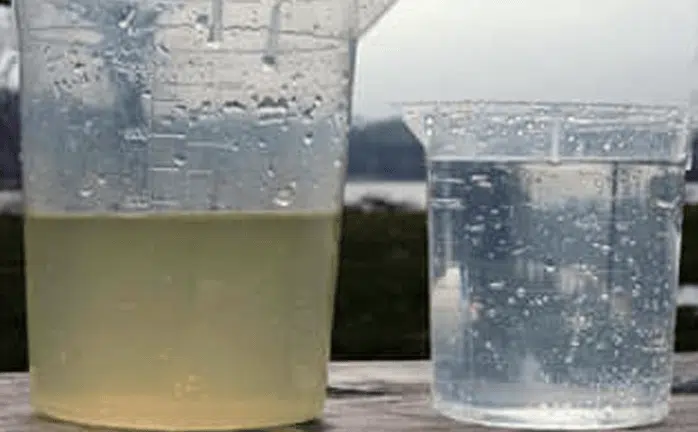
Dirty water with sediment
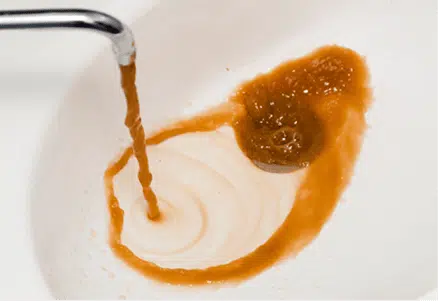
Rusty water with Iron and Manganese staining
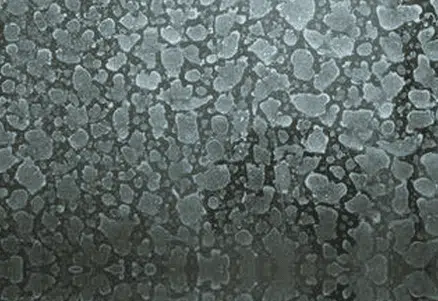
Hard water with limescale
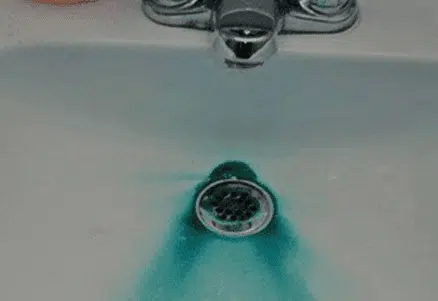
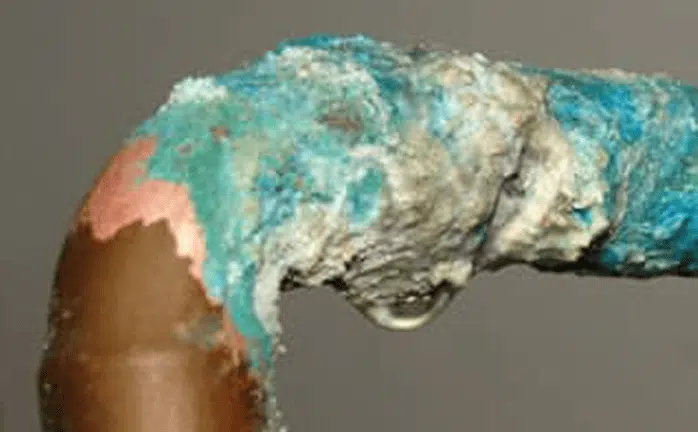
Corrosive water/ low pH, with blue/green staining

Microbiological contamination with E.coli Bacteria, Campylobacter etc plus Cysts of Giardia & Cryptosporidium
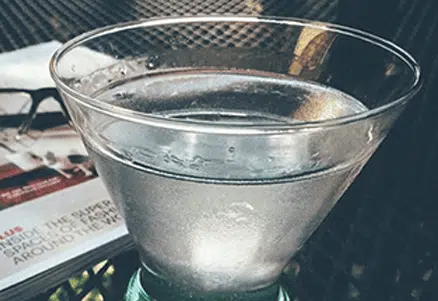
Chlorinated Water – with unpleasant Chemical smell & taste
There can be a combination of problems, like Iron, Manganese and Hardness or Sediment and high Microbiological counts, but we have a complete range of compatible water treatment equipment to treat all situations for great outcomes.
Contact Sue Kelly Water Systems Ltd (SKWSL) to find out how to improve your water quality.

I had the water tested for bacteria and it came back clear but our symptoms were persisting. After almost two months at the
address and no answers I decided to pay the money and have further test done on the water. Our test came back showing that our
water was very high in Nitrates – the level was 16. It also showed our water was very hard. We Installed a Reverse Osmosis system
for our drinking water and the transformation in our daughter has been remarkable. We watched her eczema literraly disappear
from her body. My symptoms of nausea and lack of appetite have also disappeared. This is just our experience. For us changing our
water has brought about a dramatic improvement in our health issues. Nitrates were an issue that I was completely unaware of.
We are now into our 3rd week of being healthy and happy.

H & E, ASHBURTON
As you know we have struggled with the water quality for many years, with varying degrees of improvement but none have come anywhere
near the huge improvement we have gained with your new treatment material. We had virtually given up hope of ever being able to just
have water on tap that we could use without all the hassles of staining and scale buildup in the toilet bowl, the shower and even the
washing machine. We were sceptical but your enthusiasm and the information you provided us gave us hope that this time we really
might have good clean water – and we have. It is just so nice to do a load of washing with the stains and scum. We are loving it!
Many thanks Sue.
M & P,CANTERBURY
Sue, Just a note to thank you for solving our water problems. As you know we have had serious iron and more recently Manganese
problems with our water for months – if not years. Eventually the manganese levels approached toxic levels that would have damaged
our health. The iron was staining our washing, our dishes and even the side of the house. Your water softening and treatment system
has solved the problems completely and we can now drink the tap water again. Many thanks
C&A LEESTON
We recently purchased a water softener and filtration system from Sue Kelly Water Systems Ltd. Our water quality was so bad it
was almost undrinkable due to high levels of iron and manganese. The system she supplied has made a fantastic difference to the
quality of the water, we can now drink it with confidence and pleasure. Sue’s advice, service and backup have been second to
none and we highly recommend her very professional company.
P & K, LITTLE RIVER
Knowing we had to improve our water quality we got in touch with you and you recommended us the best treatment programme for
our situation. You explained the process easily and were upfront with the costs involved. You were very professional and had much
knowledge of your product making the whole process straight forward and hassle free. Thank you very much it has truly made a
wonderful improvement to our water quality.
N & S, KAIAPOI
Sue Kelly gave good adivice, very good service and communitation and genuinely cared about improving the quality of our drinking
water from our well for our family.
MG CHRISTCHURCH
Happy to say that I was very impressed with the prompt and information service, and the high quality of the fixtures.
V C CHRISTCHURCH
We are astounded in improved water quality.
D M, AKAROA
I would like to sincerely thank you personally, and your company, for the thorough and efficient service I experienced in getting
our water quality problems solved. We had been persevering with another company and were absolutely appalled with the lack of
communication and their seemingly inability to solve our water problems when we decided to try ” Sue Kelly Water Systems “. It is
great to realise that there are at least still some businesses that supply the good service that we expect as customers. ” Thank you
B Y, CHRISTCHURCH
You have answered all my questions and obviously gone out of your way to get information that was not readily available; you have
backed up all the claims for your products with the sort of technical explanation I prefer, you have been prompt and above all you
haven’t been pushy. So if anyone asks I will be happy to give you a 100% endorsement. Some of your competitors haven’t even replied
to my requests for information and it’s obvious that water quality is just a sideline for their business.
MS, WAKEFIELD
Thank you for giving us beatifully clear water! Our water has always contained a high level of iron that caused clouiness, a distinct
metal taste and smell in the water. Ice cubes were always brown – not good in a gin and tonic! As well as staining all the bathroom
and laundry fittings a horrid brown/black colour, many items of clothing, furnishing and part of the outside stone cladding to the
house are stained for life. Now the water is crystal clear, no taste, no smell, the WC pan has been scrubbed and the iron stain has
gone. The gin and tonics are better that ever! Thank you Sue for changing our water supply so radically – we appreciate it.
P & P HANMER
Your customer service has been outstanding, from the 1st phone call felt like I was the only customer you had. You took time to
explain what was happening and what the best options were. During my disaster phase when the pumps failed you took time to source
one for me and get it to your warehouse saving me time rushing to town. Ths shows a classic example of great customer services
often missed by other retailers! Keep up the great work.
MB KAIAPOI
Your service was excellent, promp, helpful and efficient. Thank you.
R & JD RANGIORA
We’ve had a great experience throughout the process of purchasing and installng from you. We are loving the difference it has made
and only we had done it sooner. Thanks
AJ AMBERLEY
Thanks for your follow up call today to see how we feel about our new Softener. There is a HUGE difference! We specially notice the
soft water in the shower – so much easier on our skin. Many thanks.
A.J & S.J, WAIPARA
” Thank you we are very happy with our new water system. My skin and hair are already dramatically improved it’s amazing – wish we
had done it years ago thanks! Very happy customers and thanks for your follow up email. “
LW LEESTON
Thank you for your excellent service which I cannot fault. I particularly appreciated your personal visits and attention to detail
and certainly would recommend you to others.
BT AMBERLEY
Water in Amberley is recognised as being hard. I needed to de-scale my glass kettle every 7-10 days. I couldn’t see thru the kettle in
2 weeks. Unfortunately I believed the rhetoric from a Nation-wide Company promoting a Total Filtration system for water. It included
some filters and a Magnetic Ioniser ” which makes the water behave as through it has been softened “. There was no discernable difference
and the kettle de-scale continued weekly. I repeatedly asked this company to provide me with scientific or clinical data to show that
the Magnetic Ioniser actually will soften hard water – so far this has not been forthcoming. I was advised to continue with a product
” we know it is cleaning out the pipes and will reduce scale overtime “. However after 5 months and still no benefit. I removed it from
my system, toom some helpful advice and replaced it with a Salt Based Water Softening Treatment plant as supplied by Sue kelly Water
Systems Ltd. This worked from the first day and I have not had to de-scale my kettle in over 1 year. I use a bag of HydroSoft salt $16.07
every 5-6 weeks. My message is – use proven technology not unproven.
RSB AMBERLEY
You asked us to let you know about your quality of service and to date we have been unable to fault it. The pluber you arranged to install
the water filtration was more than helpful and very clear when giving us information about ongoing use of the system, overall a flawless
service !
K&J, AMBERLEY
I don’t think I’m imagining this but our water definitely tastes better and is really a pleasure to drink.
J T, RANGIORA
Thanks very much for your advice and efficient service. Everything has been installed and it has made huge difference. I can’t understand
how anyone could live with what was there before. The Plumber was great and explained the whole process as hw was doing the job.
K & D
We both appreciated your advice and assistance. The water is very much improved and we are enjoying it.
PR, KAIAPOI
Thanks for the good advice and friendly service.
A & A, WINTON
Since we have changed the media in the automatic backwashing system, the water coming into the house is so much better, much cleaner.
The water in the stock race has been particularty bad – realy dirty, but the new granules are getting it clearer than before. Many
thanks.
S K, ASHBURTON
Thank you so much for your friendly manner, prompt service and good product. We will definitely be recommending your service to others.
W & K, ASHBURTON
Superb service!
AB, Auckland
What can I say? Your service and product are perfect.
G T, AKAROA
The service was great – very quick delivery of filters etc. and great advice was given on what treatment was needed. It was good to talk
to a company that knows what they are talking about when it comes to the treatment of water. Thank you very much Sue
J J WAIWATE
Thank you for your prompt, friendly and efficient service it is much appreciated. After ordering a water filter from you we were
delighted to have it delivered and installed within 3 days!! Not only that our water now tastes wonderful. Thank you for a job well
done and a big thank you to Sue Kelly Water Systems.
J H PEGASUS
Your service has been wonderful – from my initial enquiry to installation. Your explanation of the pros and cons of the various
water filters we were looking at was comprehensive, the add-ons you provided to assist with installation, the speed of response
to my request for assistance in locating an installer to cut a hole in the bench top, and friendly service made our experience
very pleasant and trouble-free. We have been enjoying champagne water since. We will most certainly recommend your company to
others we can persuade to try chlorine-free water.
M & G, CHRISTCHURCH
We were both impressed with your service and product knowledge from the time I phoned to enquire about the Water Systems right
until we made the purchase. We are enjoying drinking fresh clean chemical and pesticide free water!
J & A KAIKOURA
Extremely satisfied with the kindness, speed and professional attitude with which you responded to my call and came out immedieately.
Very informative and pleasant interaction. Committed to absolute service.
DS, CHRISTCHURCH
Very happy with your service, after shopping around for various items and prices you services was affordable, and serviec was
provided quickly and in a very friendly manner.
D&BC, Rangiora